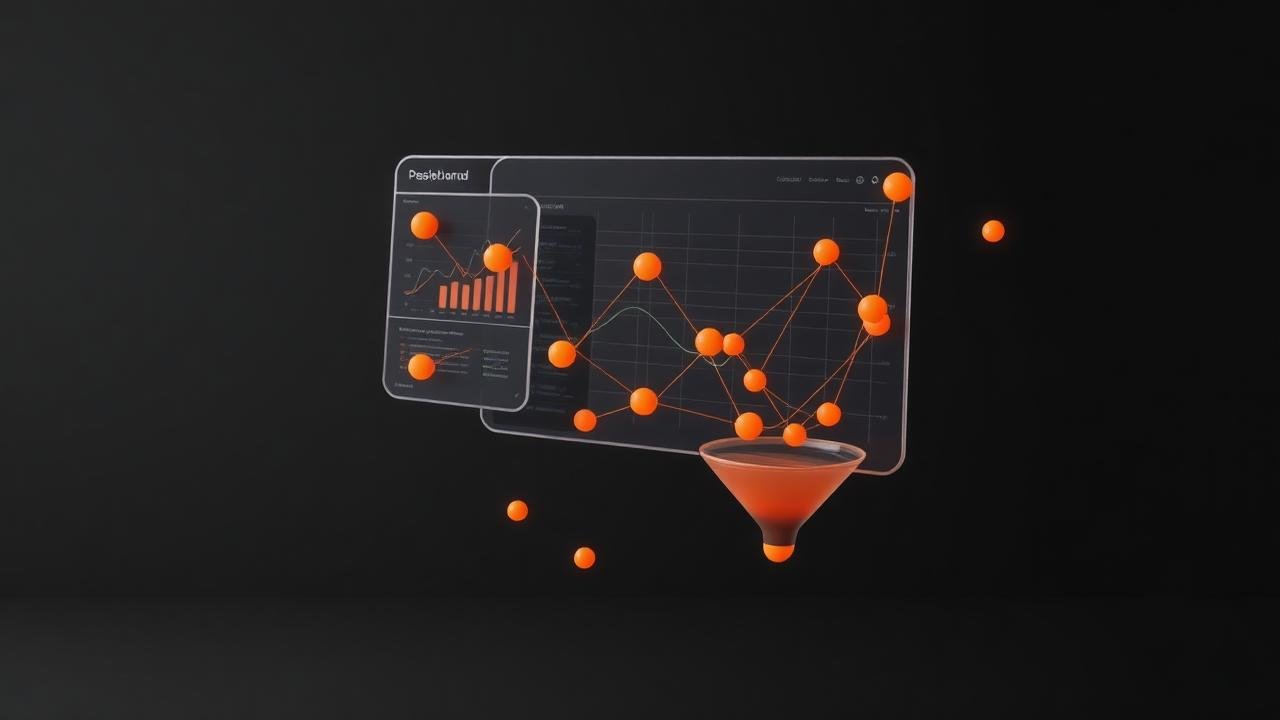

Blockers, cookie restrictions, and browser limits cause the Meta Pixel to lose a meaningful share of events. The Conversions API sends the same events server-side, recovering signal and restoring accuracy to campaign optimization, provided deduplication is correct.
What the Conversions API is and why it exists
The Pixel is browser-based tracking: it depends on JavaScript running on the user's device. The Conversions API (CAPI) is a direct connection between your server and Meta. When the two work together, every conversion is sent through two paths and Meta selects the more complete record.
| Aspect | Pixel (browser) | Conversions API (server) |
|---|---|---|
| Sending point | the user's device | your server |
| Affected by blockers | yes | no |
| Browser data | complete | needs to be passed along |
| Reliability | partial | high |
| Implementation effort | low | medium |
Deduplication: where things most often go wrong
Sending the same event through both paths without deduplication inflates the numbers and hurts optimization. Deduplication requires both sends to share the same identifier.
- Generate a unique
event_idat the moment of the action. - Send that same id on both the Pixel event and the API event.
- Use the same
event_nameon both sends. - Keep the
event_timewithin the same window so Meta can match the records.
Matching parameters that raise quality
- Hashed email and phone number, when consent has been given.
- Click and browser identifiers (
fbcandfbp), captured on the first visit. - The IP address and user agent from the original request.
- A stable external identifier from your CRM.
The more valid parameters, the higher the event match quality score, and the better the algorithm finds audiences that resemble people who actually converted. The same qualification logic applies to lead scoring: better signal leads to better decisions.
Which events are worth sending server-side
| Event | Priority | Reason |
|---|---|---|
| Lead | high | foundation of lead generation optimization |
| Purchase | high | real revenue, with value and currency |
| InitiateCheckout | medium | intermediate intent signal |
| AddToCart | medium | feeds remarketing |
| ViewContent | low | high volume, low discriminating power |
Bottom-of-funnel events sent with real monetary value allow optimizing for revenue rather than volume, connecting the media spend to CAC and LTV reporting.
Privacy and consent
Sending server-side does not waive legal basis
The CAPI is not a way around consent. Personal data can only be sent with proper legal basis and always hashed. Correct consent handling is detailed in the guide to LGPD, cookies, and tracking.
Retention and scope
Send only the parameters needed for matching. Excessive collection raises risk without raising performance.
CAPI implementation checklist
- Pixel working, with events named consistently.
- Unique event_id shared between Pixel and API.
- Matching parameters hashed correctly.
- fbc and fbp captured and persisted for the session.
- Bottom-of-funnel events sending value and currency.
- Deduplication confirmed in Events Manager.
- Legal basis and consent documented.
Conclusion
The Pixel and the Conversions API do not compete: they complement each other. With correct deduplication and strong matching parameters, Meta sees again what actually happens after the click, and campaign optimization improves without spending an extra cent.
Frequently asked questions about meta conversions api
What is Meta's Conversions API?
It is a direct connection between the advertiser's server and Meta that sends conversion events without relying on the user's browser, recovering signal lost to blockers and cookie restrictions.
Does the CAPI replace the Pixel?
No. The two sources work together: the Pixel brings browser context and the API guarantees event delivery. Meta consolidates both records through deduplication.
How does event deduplication work?
The same event_id and the same event_name are sent by both the Pixel and the API. Meta recognizes it as the same conversion and counts it only once.
Which events should be prioritized for server-side sending?
Bottom-of-funnel events such as Lead and Purchase, especially when sent with value and currency, since these are the ones that guide campaign optimization.

About the author
Kauára Bertoluci
Partner and Head of Strategy & Growth, KCLOCK
Marketing, tracking, and CRO strategist. Leads positioning, funnels, paid media, and measurement across KCLOCK's projects.
- #tracking
- #paid media
- #automation
Want to apply this to your funnel with people who do it every day?
KCLOCK builds high-converting funnels, landing pages, websites, and e-commerce stores. We diagnose your current funnel and show you where the revenue you're leaving on the table is hiding.